Can I fix a sewer line backup myself?
You can stop water use and snake a single sink trap. A main line backup needs a camera, powered tools, and often digging. Know your limit and hand it to a provider.
Request an estimate from a local provider
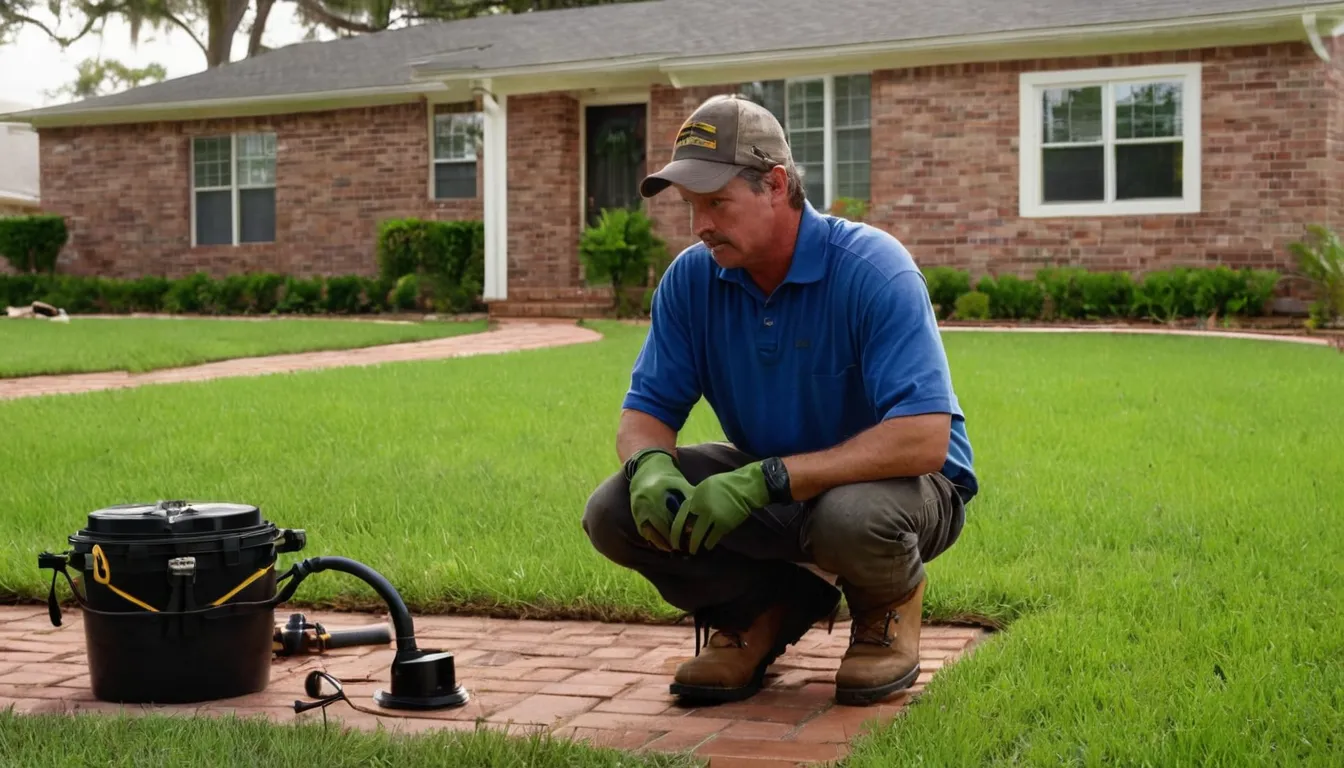
A sewer line carries every drop of waste water from your house out to the street or your tank. When it clogs, cracks, or sags, the water has nowhere to go. It backs up through the drain closest to the floor, often a basement or ground-level tub. That is a health risk and a mess.
Businessessecure Septic is a referral service. We do not do the work. We connect you with independent providers in our network who inspect the line with a camera, clear it, and repair or replace the damaged section. This page tells you what you can safely do yourself, where to stop, and how the seasons in the Fort Worth area affect timing.
Water off first. Stop the sinks, showers, dishwasher, and washer. Every gallon you add has only one place to go.
One slow drain is often a small clog. Several drains gurgling or backing up at once points to the main line. That is a pro job.
Do not pour drain chemicals into a backed-up main line. They sit in the pipe and can burn skin and tools later. Do not rent a big power auger either. A hand snake on one sink trap is fine. A main line is not.
The early signs are quiet. Watch for these:
One sign may be nothing. Two or three together is a reason to book an inspection.
City sewer homes have a line that runs to the street. Septic homes have a line that runs to the tank. Both can crack or clog. If the tank itself is full or failing, that is a different job with its own page. If your home also has a private well, tell the provider. Pipe work near a well needs care.
Roots are the top troublemaker. They slip into tiny joints and grow into thick mats. Hot, humid summers keep them growing hard.
Age matters too. Older clay, cast iron, and fiber pipe cracks or flakes. Shifting soil can pull joints apart or leave a sag where waste pools. Wipes, grease, and heavy loads over the line add to the trouble.
Heavy downpours soak the ground. Wet soil moves. Groundwater can leak into cracked pipe and overload the line. Backups often show up during or right after a big storm.
Hard frost is rare in mild winters, so cold cracks are less common. Soil swings from drought to soaking are the bigger threat.
You cannot see inside a buried pipe. A provider can. They use cameras, locators, and high-pressure water jets. They also have the tools to dig safely near gas, power, and water lines. Know your limit, and hand it over here.
A small camera runs through the pipe. The provider finds the blockage, crack, or sag and marks the spot above ground.
For roots and buildup, the provider may use a cable machine or a water jet. This can restore flow while the plan for repair is made.
A short break may need only a patch section. A long run of worn pipe may need lining or full replacement. The camera findings drive the choice.
Trenchless methods work through small access holes and save the yard. Open trench digging is sometimes the only option, such as with a deep sag or a collapsed pipe.
On a slab-on-grade ranch, the line runs under the concrete. Repairs may mean cutting a trench through the floor or routing around it. On a pier-and-beam house, pipes hang under the floor. They can sag or leak where you can reach them. Ask the provider which fits your home.
Many areas require a permit for sewer line work. Providers in our network often handle the paperwork, but ask. The part of the line under the street or yard edge may belong to the city. The part from your house to that point is usually yours. Check before you pay for work you do not own.
A backup is urgent in any season. Repairs that can wait a bit are easier in dry spells. Open trenches fill with water in storms. Many providers can respond quickly to a backup, but availability varies. Request a callback to check provider availability.
Some policies may cover sudden damage from a backup. Many exclude wear and root damage. Check your policy. Providers can often help document damage for a claim, so keep the camera video and photos.
Ask upfront who fills the trench, packs the soil, and replaces sod. Heavy rain can wash out fresh fill, so ask about grading and timing. Trenchless work usually leaves less to fix.
A camera shows the exact spot of a clog, crack, or sag before anyone digs.
Cable or water jet work removes roots and buildup so water flows again.
Providers patch short breaks or replace worn sections, depending on what the video shows.
Some jobs use lining or pipe pulling through small access holes, which can spare your yard.
Prices vary by pipe depth, length, soil, and access. These are typical U.S. ranges only. Always get a written quote before work starts.
| Service | Typical range | Notes |
|---|---|---|
| Camera inspection | $100 – $500 | Often worth it before any repair |
| Main line clearing | $150 – $600 | Water jetting can cost more |
| Cleanout installation | $200 – $800 | Gives future access to the line |
| Spot repair | $1,000 – $4,000 | Depends on depth and access |
| Trenchless lining | $3,000 – $10,000 | Priced by length and pipe size |
| Full line replacement | $3,000 – $15,000+ | Slab or long runs cost more |
Stop using sinks, showers, and appliances so the backup does not get worse while you wait.
Request a callback or send the form to be matched with a local provider.
The provider scans the line and gives you a written quote.
The provider fixes the line, then restores the work area.
We tell you what you can handle yourself and when a job needs a pro.
The providers in our network are separate local businesses that do the actual work.
Storms, soggy soil, and dry spells change repair timing, so we explain the tradeoffs.
Request an estimate, compare it, and decide on your own schedule.
You can stop water use and snake a single sink trap. A main line backup needs a camera, powered tools, and often digging. Know your limit and hand it to a provider.
A clog often clears with cleaning. A break keeps coming back, may smell, and can leave soggy yard patches. A camera inspection tells the difference.
Some policies may cover sudden damage from a backup. Wear, age, and roots are often excluded. Check your policy and ask the provider to help document damage.
Tell us what is going on with your septic or sewer system. Businessessecure Septic will connect you with an independent local provider. No obligation to hire.
No obligation