How often should a septic tank be pumped?
Many homes need pumping every three to five years. Tank size, household size, and water use change that. A provider can measure sludge and scum layers and suggest a schedule for your home.
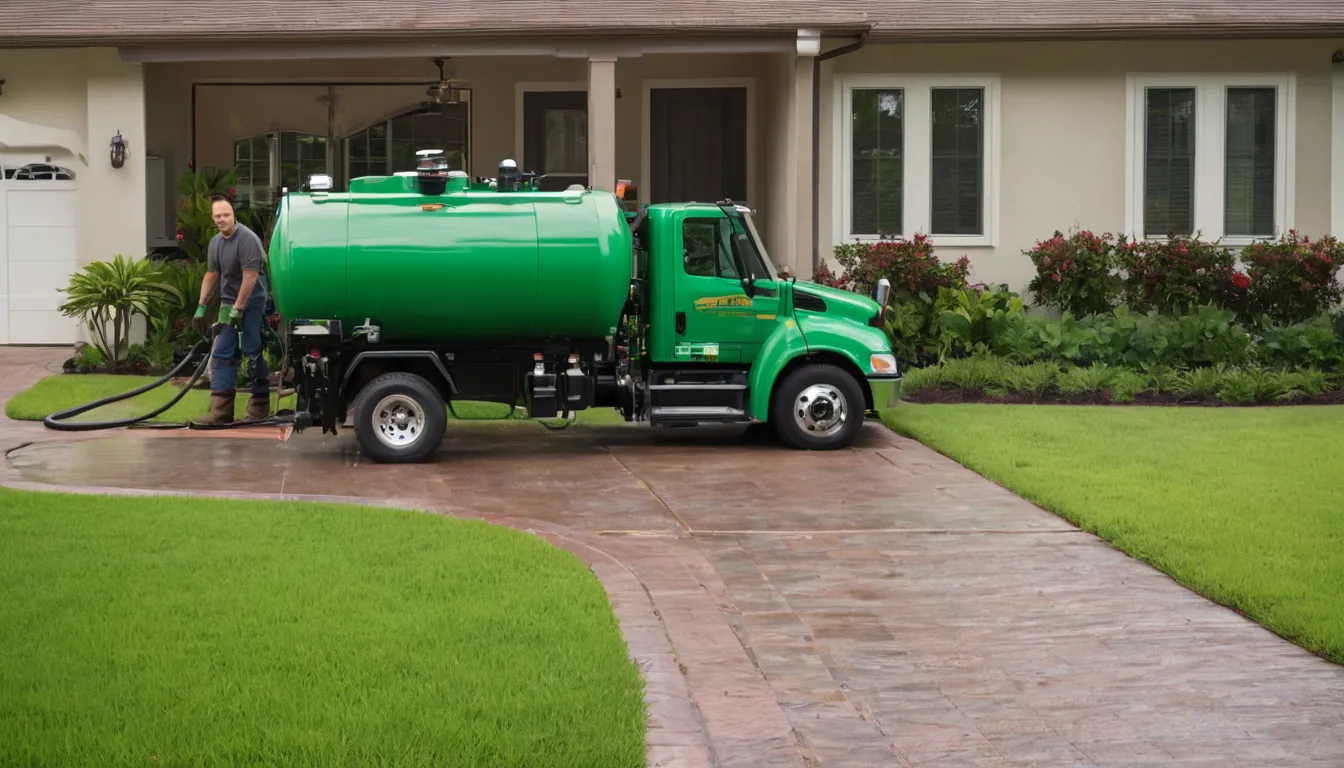
A septic tank holds waste while solids settle and liquid moves on to the drainfield. Over time, sludge and scum pile up. Pumping clears them out. Skip it too long and the tank can't do its job. Most homes need pumping every few years. Heavy rain, big households, and older tanks can shorten that gap.
Septic tank pumping is a pro job. It takes a vacuum truck, a trained operator, and safe handling of waste and gas. Businessessecure Septic is a referral service. It connects homeowners in the Fort Worth area with independent local providers. Those providers do the pumping. You can help by cutting water use, finding your service records, and keeping the lid shut until the provider arrives. Ask what the visit includes, and get the quote in writing.
Slow drains. Gurgling pipes. A sewage smell in the yard. Soggy grass over the tank. Any of these can mean the tank is full or close to it.
Water off first. Stop laundry, dishwasher runs, and long showers. Every gallon you add has nowhere good to go.
If waste is backing into a tub, shower, or floor drain, ask for emergency septic cleaning. Many providers can respond quickly, but availability varies by day and by weather. Request a callback to check provider availability.
You can help a lot before the truck arrives. Here is the safe list:
Know your limit. Lid stays shut. Tank gas can knock a person out in seconds, and the tank is a deep, dangerous hole. A lid can also be cracked and unsafe to stand on.
Pumping needs a vacuum truck, long hoses, and safe waste handling. Store-bought additives do not replace pumping. Neither does a bucket and a shovel.
The tank splits waste into layers. Heavy sludge sinks. Grease and scum float. The middle liquid flows out to the drainfield.
When the layers get too thick, solids slip out too. They clog the drainfield. A clogged drainfield costs far more to fix than a pump-out.
A common rule is every three to five years. It is a starting point, not a promise. Tank size, number of people, and habits all change the answer.
A big family in a small tank may need it sooner. A couple in a large tank may wait longer. Ask the provider to measure the layers and suggest a schedule.
Hot, humid summers bring guests, pool days, and extra laundry. That load fills a tank faster.
Heavy downpours and tropical storm season are the bigger risk. Soaked soil cannot take more water from your drainfield. A tank with room to spare helps. Book before storm season, not during it.
Mild winters make cooler months a calm time to schedule. Cold snaps are rare, so ground access is rarely a problem.
If the yard is flooded, hold off. A pumped tank in saturated ground can shift or float. Cut water use and let the provider judge when it is safe.
The provider finds the tank and opens the lids. A hose pulls out liquid, scum, and sludge. The crew stirs the bottom so thick solids come out too.
Then the provider checks the inside walls, the baffles, and the outlet. Lids go back on and get secured. Ask for a note on what was found.
A pump-out is a smart moment to look inside. An empty tank shows cracks, worn baffles, and leaks. The provider can also check an effluent filter if your system has one.
Ask if the visit includes an inspection or if that costs extra.
Lenders and buyers often want proof the system works. Pump first, then inspect. A full tank hides problems.
Sellers: keep every receipt. Buyers: ask for the pump date and a written report.
If your home also has a private well, tell the provider. Distance between tank and well matters. Ask about water well service and water testing if you ever suspect a leak or odd taste.
Small habits keep the tank healthy:
A vacuum truck removes liquid, scum, and sludge so the tank starts the next cycle with room.
With the tank empty, the provider can look at walls, baffles, and outlets.
Providers can find buried lids and say whether risers would make future visits easier.
Ask for the date, tank size, and findings in writing so you can track your schedule.
Prices vary by tank size, access, distance, and how full the tank is. These are typical U.S. ranges only. Get a written quote from the provider before work starts.
| Item | Typical range | Notes |
|---|---|---|
| Standard pump-out, about 1,000 gallons | $250 – $450 | Common for smaller homes |
| Mid-size tank, about 1,500 gallons | $350 – $600 | Price rises with volume |
| Large tank, 2,000+ gallons | $500 – $900 | Bigger homes and some older systems |
| Emergency septic cleaning | $400 – $900 | Urgent calls often cost more |
| Locating and digging out a buried lid | $75 – $250 | Depends on depth and soil |
| Riser and lid installation | $300 – $700 | Makes later visits easier |
Water off first. Pause laundry, dishwasher use, and long showers until the provider has looked at the tank.
Find past receipts, tank size, and any map showing where the lids sit.
Use the form to describe the symptoms, or Request a callback to reach a provider in the network.
Keep lids shut and people clear. Ask for a written note on what the provider found.
A tank with room to spare is less likely to push waste back into your tub or drains.
Pumping keeps solids from reaching the drainfield, which is costly to repair.
Extra tank room helps when heavy rain soaks the ground around the system.
An empty tank lets a provider spot cracks and worn parts before they grow.
Many homes need pumping every three to five years. Tank size, household size, and water use change that. A provider can measure sludge and scum layers and suggest a schedule for your home.
No. Opening the tank is dangerous because of toxic gas and deep, unsafe footing. Pumping also needs a vacuum truck and proper waste disposal. Help by cutting water use and finding records.
It can help, since an emptier tank gives you extra room. Book before storm season. Do not pump when the ground is flooded, because a tank can shift.
Tell us what is going on with your septic or sewer system. Businessessecure Septic will connect you with an independent local provider. No obligation to hire.
No obligation